Gas Sensor in General
Q:What is gas?
A:Generally, home use gas such as propane and methane are associated. But "gas" means all the gaseous bodies including odorless gases such as oxygen, hydrogen, carbon dioxide, and smelling gases such as ammonia.
Q:What can gas sensors do?
A: Some gases can explode at certain concentration and/or influence the human body. To avoid that, it is necessary to check gas existence or detect the gas concentration. Gas sensors are used as a component for such prevention equipment.
Q:What are gas sensors used for?
A:Safety and security: Gas leak alarms, carbon monoxide alarms, various measurement equipment.
Comfort: Air conditioners, air purifiers.
Health: Alcohol checkers, halitosis measuring device.
Fuel cell vehicle (FCV) uses our hydrogen detectors
Q:What kind of gas can be detected?
Q: What kind of gas sensors exist?
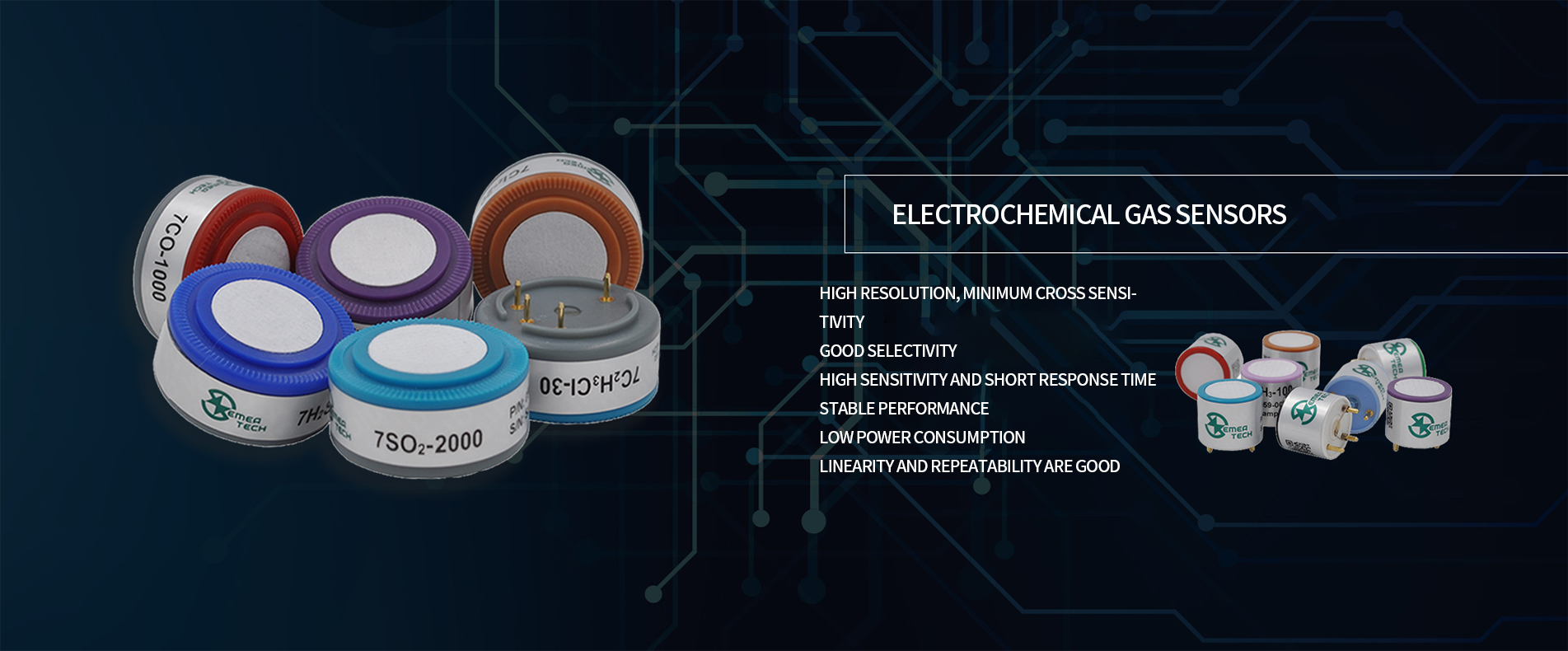
A: There are several types such as semiconductor, hot-wire, electro-chemical, solid electrolyte, and infrared.
Q: What is "noise gases"?
A: All the gases except the target detection gas. Such noise gases may exist in usual ambient air.
Q: What is "gas response"?
A: It is the time for the sensor to respond after the gas reaches the sensor.
Semiconductor Gas Sensor
Q: What is the detection principle of semiconductor gas sensors?
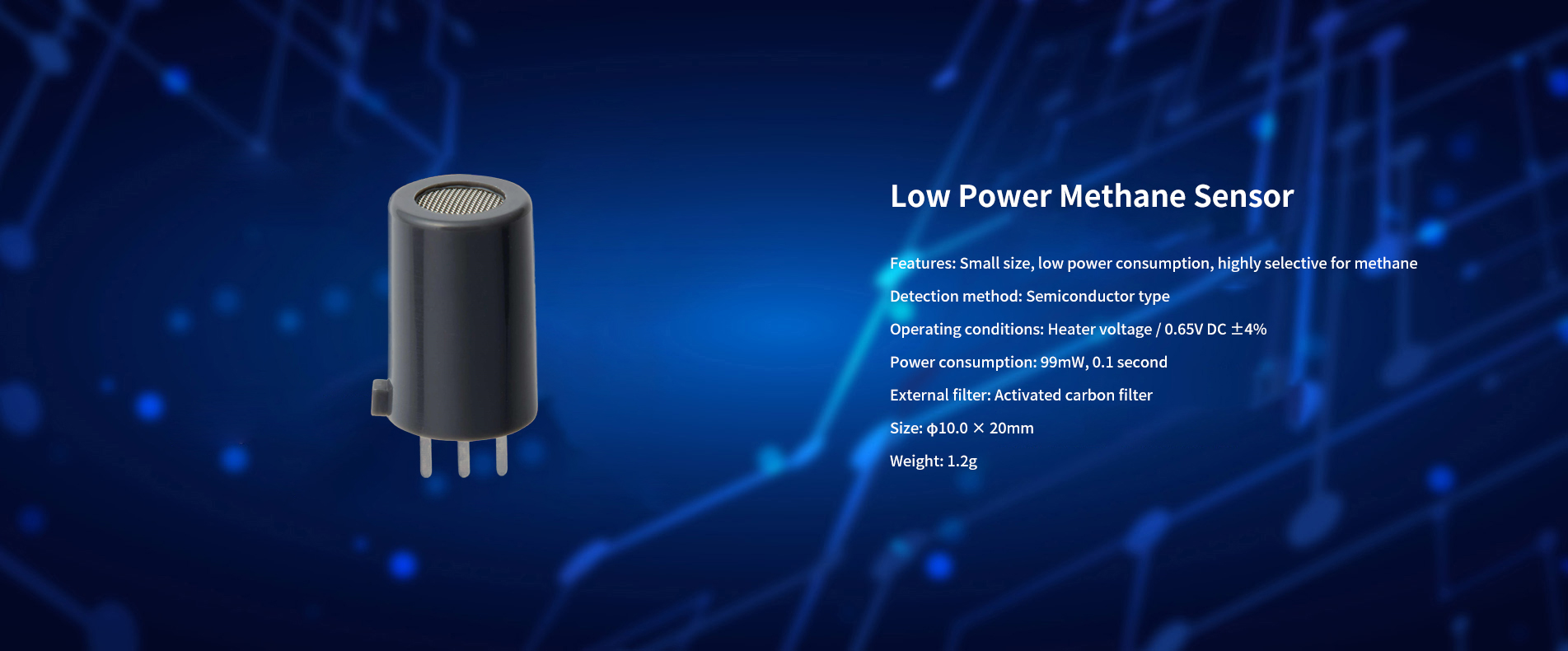
A:The conductivity of tin dioxide (SnO2) metal oxide semiconductor materials changes according to gas concentration changes.
This is caused by adsorption/desorption of oxygen and reaction between surface oxygen and gases.
These reactions cause a dynamic change of electric potential on SnO2 crystal and results in the decrease of sensor resistance under the presence of reducing gases such as CO, methane, hydrogen.
Q:What are strengths and weaknesses of semiconductor gas sensors?
A:Strengths: High sensitivity to low concentration gas, low cost, long life.
Weaknesses: Influenced by ambient temperature and humidity, and low selectivity.
Q:In what range of concentration can Nissha FIS sensors measure the gas?
A:Though it depends on the kind of gas, our gas sensors can measure gas in the range of tens ppb to tens of thousands of ppm.
Q:What is the life of the semiconductor gas sensor?
A:The life is semi-permanent if used under usual ambient atmospheric conditions. The sensitivity may change from a long-term view point.
Q:What is "gas sensitivity"?
A:It is (Rs in clean air)/(Rs in gas), where Rs means Sensor Resistance. Since Rs generally decreases in gas, the gas sensitivity is below 1.
Q:What is "initial action"?
A:It is the sensor behavior from power-on to the ready status.
Q:Can your gas sensor detect inactive gas such as helium?
A:Unfortunately, semiconductor gas sensor cannot detect inactive gases.
Q:The humidity has an effect on the sensor. Why?
A:Ambient humidity (water vapor) can be considered as a kind of gas.
Q:Can your gas sensors be used without oxygen?
A:Oxygen is required. Use the sensor under usual ambient atmosphere.
Q:What is the sensing material?
A:Basically, tin oxides. Other materials are tungsten oxides, indium oxides, etc.
Q:Does your sensor have intrinsically safe construction?
A:No, you need such construction housing separately.
How to Use Gas Sensor
Q:Can pins of the sensor be bend or cut?
A:Do not bend or cut the pins because the sensor will be mechanically shocked.
Q:Can the sensor be soldered on the printed circuit board with a soldering bath?
A:Manual soldering is recommendable to avoid the solder's flux from influencing the sensor.
Q:The sensor is warm or hot. Should we cool it down?
A:The sensor should be heated to detect gases. Cooling down with fans, etc. will change the sensitivity.
Q:If the specified heater voltage is changed, what will happen?
A:The sensing element temperature will be changed, then the cross sensitivity will also be changed.
Q:What happens if the sensor is exposed to very high concentration gas?
A:The heater may deteriorate so that the sensor temperature cannot be controlled. Avoid it.
Q:Do you have the cross-sensitivity data?
A:Please contact DAYI Co.